What makes jewelry truly heirloom quality?
What makes jewelry heirloom quality? Learn how materials, craft, comfort, and personal meaning turn a fine piece into a lasting treasure for generations.
Free shipping on orders of $200 or more with code FREESHIP200
Fair trade versus handmade is not a simple choice. Learn what each label means, how to shop with confidence, and find pieces with true story and beauty.
A hand-painted bowl can carry the warmth of an artist’s brushstroke. A fair trade woven bag can reflect a maker’s skill while helping support more equitable working conditions. When considering fair trade versus handmade, the most meaningful choice is rarely about deciding that one label is better than the other. It is about understanding the story behind the piece you bring home or give to someone you love.
For shoppers who prefer a home and wardrobe with personality, these terms can point toward beautiful, more thoughtful alternatives to mass-produced goods. Still, they describe different things. One speaks primarily to the way people are treated in the supply chain; the other describes how an item is made. A piece may be one, both, or neither.
Fair trade is a set of principles and, in some cases, a verified certification system. At its heart, it aims to create more equitable trade relationships, especially for producers and workers who may otherwise have limited power in a global supply chain. Depending on the organization or program involved, fair trade standards can address fair payment, safe working conditions, transparency, community investment, environmental practices, and long-term relationships with makers.
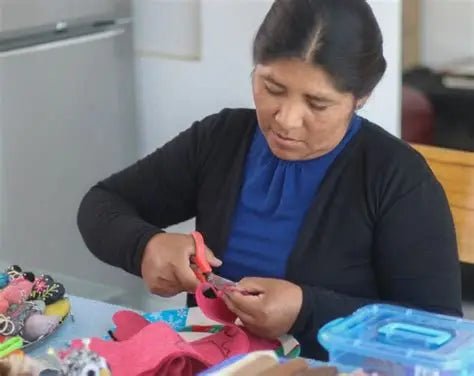
Handmade describes production. It tells you that a person made all or part of an object by hand, rather than it being entirely produced by automated industrial machinery. A hand-formed ceramic vase, beaded necklace, carved wooden box, or embroidered pillow may all be handmade. The degree of handwork can vary widely: some pieces are made entirely by one artisan, while others are created by a small workshop where several skilled hands complete different stages.
That distinction matters because handmade is not automatically fair trade, and fair trade is not automatically handmade. A handmade item may come from an independent local artist who does not participate in a formal fair trade program. A fair trade product may include materials or processes that are partially machine-made. Both can be worthy, beautiful choices, but they answer different questions.
When a product is fairly traded, the focus is on the human relationship behind the purchase. The label can suggest that the maker or producer received more equitable compensation and worked under standards intended to be respectful and safe. It may also signal that a cooperative, artisan group, or farming community has access to steadier market opportunities.
For a gift buyer, that can add a deeper layer of meaning. A scarf is not simply lovely because of its texture and color. It may also represent generations of textile knowledge, the livelihood of a weaving collective, and a purchasing model designed to value the people responsible for the work.
Still, fair trade is not one universal promise with identical requirements everywhere. Some products carry certification from a recognized fair trade organization, while others are sold through brands that follow fair trade principles without using a formal certification mark. The most reliable retailers and makers are clear about what their claims mean. They may name the cooperative, describe their sourcing relationship, or explain how artisans are paid and supported.
A vague claim such as “ethically sourced” is not necessarily meaningless, but it deserves a little curiosity. Look for substance behind the language. Specific details are more reassuring than broad, feel-good phrases.
Handmade pieces
But handmade does not reveal everything about the conditions in which an item was made. A skilled artisan can create remarkable work and still be underpaid by a middleman. A small workshop can honor traditional techniques while lacking the financial structure associated with fair trade programs. This is why the story matters as much as the process.
The most resonant pieces often sit at the meeting point of both values. Think of a handwoven basket made by artisans earning equitable compensation, a hand-beaded necklace sourced through a transparent maker partnership, or a hand-thrown ceramic vessel purchased directly from the artist who formed it.
These objects offer more than visual appeal. They preserve skill, celebrate cultural traditions, and allow shoppers to participate in a more personal kind of commerce. They make especially thoughtful gifts because the recipient receives something distinctive, while the giver has chosen with care.
Yet a formal fair trade label is not the only path to a meaningful artisan purchase. An independent jeweler working from a home studio, a regional potter selling in small batches, or a family workshop with a long-standing craft tradition may not hold certification. Direct relationships, fair pricing, transparent sourcing, and respect for artistic authorship can also reflect responsible buying.
The goal is not to demand a perfect label from every maker. It is to support businesses that can tell you who made the item, where it came from, and why it is worth owning.
When you are choosing between fair trade and handmade, begin with what matters most for the occasion. If you are looking for a host gift with a story, a handmade serving piece may be exactly right. If your priority is supporting producer communities through an established ethical framework, seek out clear fair trade information. If you want both, look for retailers and artisans who share detailed sourcing stories.
A few thoughtful questions can help you shop with confidence:
Labels are helpful starting points, but they are not the whole story. A beautiful purchase becomes more meaningful when you understand its materials, maker, and journey. That knowledge changes the way a hand-painted ornament is unpacked each holiday season or the way a distinctive bag becomes part of your daily routine.
For Che Cose Belle, thoughtful curation means looking for pieces that feel expressive, personal, and made to be remembered. Sometimes that story is rooted in a fair trade partnership. Sometimes it is found in the singular touch of an artisan, the history of an imported technique, or the delightful irregularity of something made by hand.
Choose the piece that speaks to your values and your eye. The best objects do not ask to be hidden away for a special day. They invite you to use them, share them, and let their story become part of your own. May all of your things be beautiful.
May all of your things be beautiful.
What makes jewelry heirloom quality? Learn how materials, craft, comfort, and personal meaning turn a fine piece into a lasting treasure for generations.
Find holiday gifts with artistry, warmth, and a story to tell. Thoughtful ideas for everyone on your list, from hosts to treasured friends all season long.
Vintage decor trends are moving beyond nostalgia. Learn how to layer storied ceramics, art, brass, and textiles into a home with real character and warmth.