Holiday gifts that feel chosen, not checked off
Find holiday gifts with artistry, warmth, and a story to tell. Thoughtful ideas for everyone on your list, from hosts to treasured friends all season long.
Free shipping on orders of $200 or more with code FREESHIP200
What makes jewelry heirloom quality? Learn how materials, craft, comfort, and personal meaning turn a fine piece into a lasting treasure for generations.
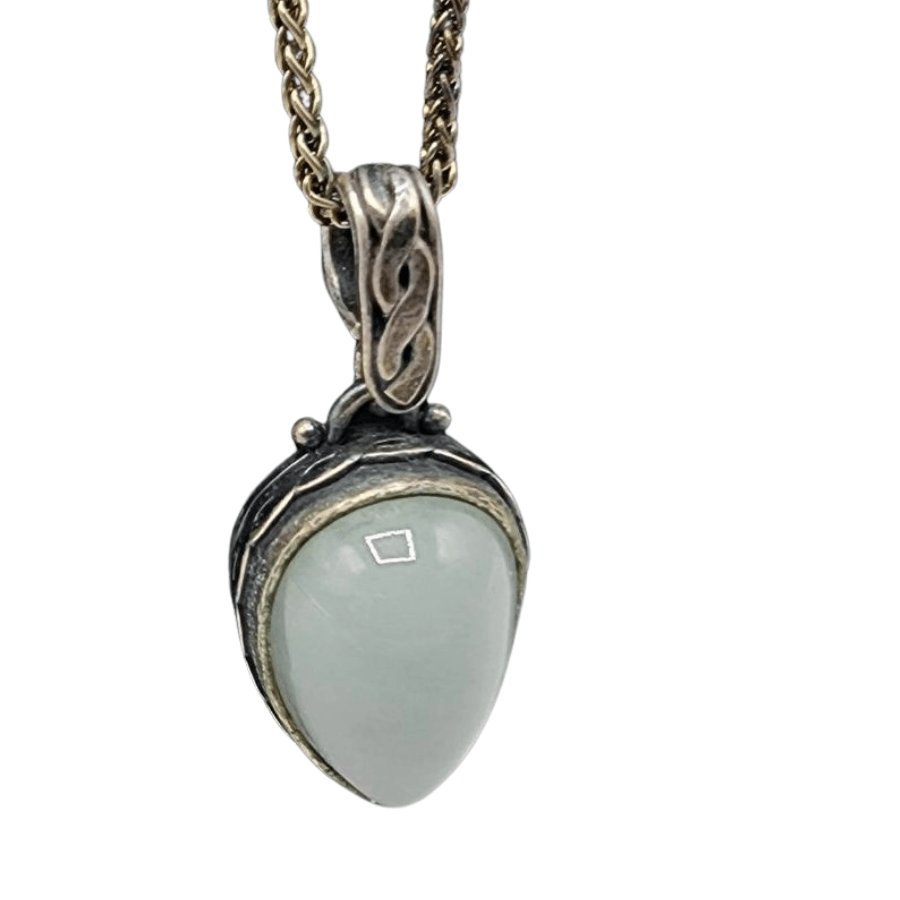
A ring can be made of gold and still feel forgettable. A modest silver pendant can become the piece a daughter reaches for on difficult mornings, or the gift a grandson keeps in a dresser drawer long after its first owner is gone. That distinction is at the heart of what makes jewelry heirloom quality: not price alone, not age alone, but enduring workmanship joined with a story worth carrying forward.
Heirloom jewelry earns its place over time. It is beautiful enough to be worn, thoughtfully made enough to withstand real life, and personal enough that someone else will want to claim it as their own one day. For those who choose jewelry as an expression of love, identity, and occasion, these qualities matter far more than a passing trend.
At its best, an heirloom-quality piece brings together material integrity, skilled construction, timeless design, and emotional resonance. Remove any one of these, and the piece may still be lovely. But it may not have the staying power - physical or sentimental - that turns an accessory into an inheritance.
This does not mean heirloom jewelry must be formal, rare, or prohibitively expensive. A hand-stamped cuff, a pair of finely made earrings, or a stone pendant with a meaningful origin can become an heirloom when it is created with care and chosen with intention. The goal is not to buy something that looks old-fashioned. It is to choose something with a life beyond the moment it is unwrapped.
The first question is simple: what is the piece made of? Precious metals such as solid gold, sterling silver, platinum, and well-made gold vermeil have very different lifespans, but each can be beautiful when honestly represented and properly cared for. Solid gold and platinum are especially suited to frequent wear because their color is integral to the metal, rather than applied as a surface finish.
Sterling silver deserves its place in the conversation, too. It develops a soft patina over years of wear, and that gentle aging can add character rather than diminish it. It does require polishing from time to time, but a piece that can be refreshed and enjoyed again has a practical advantage over disposable jewelry.
With stones, quality is not only about size or sparkle. Look for materials with natural durability and character, from diamonds and sapphires to turquoise, agate, garnet, pearl, and artisan glass. Softer stones and pearls ask for more thoughtful wear, so they may be better reserved for occasions rather than worn during gardening, workouts, or household chores. That is not a flaw. It is simply part of knowing how to care for what you love.
Natural variations are often a sign of individuality, particularly in handmade and Indigenous jewelry. A stone may have a unique matrix, a hand-hammered surface may show subtle differences, and a one-of-a-kind setting may not look factory-perfect. Those details are not defects when the work is sound. They are part of the piece’s character.
Heirloom quality is often visible in the details that do not announce themselves immediately. A clasp should close securely without feeling fussy. Earring posts should be straight and comfortably finished. Links should move naturally, not feel thin or sharp. Prongs should hold stones evenly, with no obvious gaps, snags, or wobble.
For rings, pendants, and bracelets, consider the areas that receive the most strain. A delicate chain can be exquisite, but if it is extremely fine, it may be better for occasional wear or pairing with a lighter pendant. A substantial bail on a pendant, sturdy jump rings, and a thoughtfully designed closure all make future repairs more manageable.
Timeless does not have to mean plain. In fact, pieces with a distinctive point of view are often the ones families cherish most. A bold silver statement necklace, an enamel brooch in a beloved color, or earrings inspired by a particular culture or place can be deeply personal without being tied to a fleeting microtrend.
The better question is not, “Will this always be in fashion?” It is, “Will this still say something true about the person who wears it?” Heirloom pieces often have a clear visual identity: an elegant silhouette, an exceptional stone, a meaningful symbol, or an artisan technique that cannot be replicated by mass production.
Scale matters here. Jewelry that is so delicate it cannot be worn comfortably may spend its life in a box, while jewelry that is overly dramatic for its owner may never become part of her story. The sweet spot is a piece with presence and versatility. It should feel at home with a linen shirt, a favorite dress, or an evening out - and still feel like its wearer.
A piece cannot become part of everyday memory if it is unpleasant to wear. Weight, balance, length, and closure all matter. Earrings should not pull painfully at the lobe. A necklace should sit beautifully at a useful length. A ring should feel secure without pinching.
This is where gifting benefits from a little observation. Notice whether the recipient prefers warm gold tones or cool silver, petite jewelry or sculptural pieces, quiet details or vibrant color. Choosing according to her actual style, rather than an abstract idea of luxury, makes the gift much more likely to become a favorite.
A jewel box full of unworn gifts does not create an heirloom. A piece worn for birthdays, travels, celebrations, and ordinary Tuesdays does.
Some jewelry carries its story openly. It may be made by an artisan using a regional tradition, feature materials associated with a particular landscape, or arrive with evidence of the maker’s process. Other pieces gain meaning through the occasion on which they are given: an anniversary, a graduation, a new home, a milestone birthday, or a holiday spent with family.
This emotional layer is not sentimental excess. It is what gives heirloom jewelry its extraordinary staying power. When a future wearer asks where a piece came from, the answer should be more interesting than “I needed something to match an outfit.” It might be, “Your grandmother wore this when she traveled,” or “Your mother chose this for herself after she started her business,” or “We gave this to you because it reminded us of your fearless spirit.”
If you are giving jewelry with the hope that it will be kept, include the story. A handwritten note tucked into the box can become as precious as the piece itself. Mention the maker, the occasion, what drew you to the design, and why you thought of the recipient. Years later, those few words can preserve the meaning that memory alone might soften.
Even beautifully made jewelry needs a little stewardship. Store pieces separately when possible to prevent scratching and tangling. Keep silver dry, avoid exposing stones and plated finishes to perfume or harsh cleaners, and remove jewelry before swimming, exercising, or doing heavy work with your hands.
Periodic inspection is wise for pieces with stones, clasps, or moving parts. A loose prong or worn clasp is easier to address before a treasured stone is lost. Keep any maker information, appraisals, or repair notes with the jewelry, especially for pieces of notable value.
Most importantly, resist the idea that preservation means never wearing it. Jewelry is made to catch light, start conversations, and mark a life well lived. Choose the piece that feels made for someone you love, then let it gather the small, irreplaceable memories that make it theirs - and someday, someone else’s.
May all of your things be beautiful.
Find holiday gifts with artistry, warmth, and a story to tell. Thoughtful ideas for everyone on your list, from hosts to treasured friends all season long.
Fair trade versus handmade is not a simple choice. Learn what each label means, how to shop with confidence, and find pieces with true story and beauty.
Vintage decor trends are moving beyond nostalgia. Learn how to layer storied ceramics, art, brass, and textiles into a home with real character and warmth.